

Some people sit down at a chessboard like they’re about to open a safe. They stare, they squint, they tap a pawn once or twice like they’re waiting for divine inspiration.
That’s how most of us start. When you’re new, the board can feel noisy. Pieces go forward, come off, disappear, and you’re left wondering where exactly things went wrong. But once you start noticing a few simple patterns, like how to keep your king safe, how to control the center, how to spot basic tricks, it gets easier. That’s all chess strategy for beginners really needs to be: clear, small ideas you can reuse in almost every game.
In the pages ahead, we’ll walk you through those simple patterns and habits that help beginners start playing with purpose, from opening basics to small tactical ideas and smarter practice tools.
Start Right: Opening Principles in Chess Strategy for Beginners
When the game begins, it’s tempting to chase a quick checkmate or drag your queen out for drama. The problem is that it usually backfires by move six. A better approach for chess strategy for beginners is to treat the opening like setting up a campsite: get the basics in place, then you can relax and think.
Most of the best chess openings for beginners are built on the same simple ideas. If you learn these, you don’t need to memorize long theory.
Here are four simple ideas you can reuse in almost every game:
1. Point Your Pieces at the Center
The four middle squares (and the ones around them) are where most of the action lives.
- Move your pawns toward the center (e4, d4, e5, d5).
- Aim your knights and bishops so they look at those squares.
- A piece in the center usually controls more squares and does more work.
You don’t need to memorize openings. Just ask: Does this move help me fight for the center?
2. Develop, Don’t Dance
In the opening, every move is a chance to bring a new piece into the game.
- Get your knights and bishops out early.
- Avoid moving the same piece over and over unless you’re forced to.
- Don’t chase pawns or launch random attacks too soon.
Think: Can I bring a new piece to the party instead of making the same one run laps?
3. Castle Sooner, Not Later
Leaving your king in the center is an invitation to chaos.
- Castle king-side in most beginner games, it’s usually safer and faster.
- Try to castle within your first 8–10 moves.
- Once you castle, your rook joins the game too. Two problems solved at once.
Before you get ambitious, just check: Have I castled yet?
4. Don’t Rush the Queen
The queen is powerful, but she’s also a target.
- Bringing her out too early lets your opponent chase her around for free.
- While you save her, focus on knights, bishops, and king's safety.
- When your pieces are developed, the queen will have better, safer squares.
If your first instinct is “queen check on move three,” that’s usually your sign to slow down.
Protect Your King: The First Rule of Beginner Chess Strategy
A lot of beginner games end with panic instead of a clever checkmate. One loose square, one exposed king, and suddenly the board turns into a fire drill. That’s why one of the simplest ways to get better at chess early on is to treat king safety as a habit and think like the king is someone who prefers quiet.

Here’s what that looks like in practice:
1. Castle Early, Preferably King-Side
You’ve heard it before, because it matters. Castling tucks your king away and brings your rook into the game.
- Aim to castle in your first 8–10 moves
- If the center opens and your king is still in the middle, life gets stressful fast
A castled king is calm; a center-stuck king is nervous.
2. Don’t Break Your Own Shield
Those pawns around your king? They’re your personal security team.
- Avoid pushing the pawns in front of your king unless you have a real reason
- Holes near your king become landing pads for enemy pieces
Safe pawns, safe king.
3. Pay Attention to Sneaky Checks
Most beginners lose not because of genius plays from their opponent, but because they didn’t see a simple threat. Before each move, pause for half a second and ask:
“Can they check me next move?”
You’d be amazed at how many disasters vanish with that one question.
4. Trade Off Attackers Near Your King
If your opponent parks pieces near your king, don’t admire their creativity; trade them off.
- Remove attackers hovering around your castle
- Simplify when you're under pressure
Less danger, clearer board, calmer mind.
Spot Simple Tactics: Little Tricks That Win Big
Once your king is safe and your pieces are out, a lot of games come down to one thing: who notices the simple tricks first. You don’t need flashy sacrifices or ten-move checkmates. At the beginner level, quiet tactics win most of the points.
Here’s what to watch for.
1. Forks: One Move, Two Problems
A fork is when one piece attacks two (or more) enemy pieces at the same time.
- Knights are famous for this, but pawns, queens, and bishops can fork too
- Look for chances to attack a king and a queen, or a king and a rook in one move
- Also, ask: Am I walking into a fork if I put my pieces on these squares?
If one move creates two threats, you’re probably onto something good.
2. Pins: “You Move, You Lose”
A pin is when a piece can’t move because something more valuable sits behind it.
- Classic example: bishop pinning a knight to the queen or king
- Pinned pieces are often weak; you can attack them, pressure them, or force trades
- Ask yourself: Can I pin one of their knights or bishops to something important?
Pinned pieces look like they’re defending, but they’re often stuck.
3. Hanging Pieces: Free Stuff on the Board
Beginners leave things undefended all the time.
- Before each move, scan the board: Is any enemy piece attacked but not protected?
- Do the same for your own pieces: Is anything of mine just… hanging?
- Grabbing free material is often the best feeling ever
Make it a habit: quick “free piece scan” every turn.
4. Do a Few Puzzles, Not a Hundred
You don’t need marathon study sessions.
- 5–10 minutes of tactics puzzles a day is plenty at the start
- Focus on simple “mate in one,” “win a piece,” or “find the best move” problems
- Over time, the patterns show up in your real games, and you’ll spot them faster
Consistency beats intensity here. A little bit, often, goes a long way.
Smart Tools: How GoChess Gives Beginners a Real Advantage
When you're new to chess, the hardest part is knowing whether the move you just made was a good idea or something future-you will regret in about three turns. Books don’t tell you that. YouTube can’t tap you on the shoulder mid-game. And playing online is great until you stare at the screen thinking that this could’ve gone better.
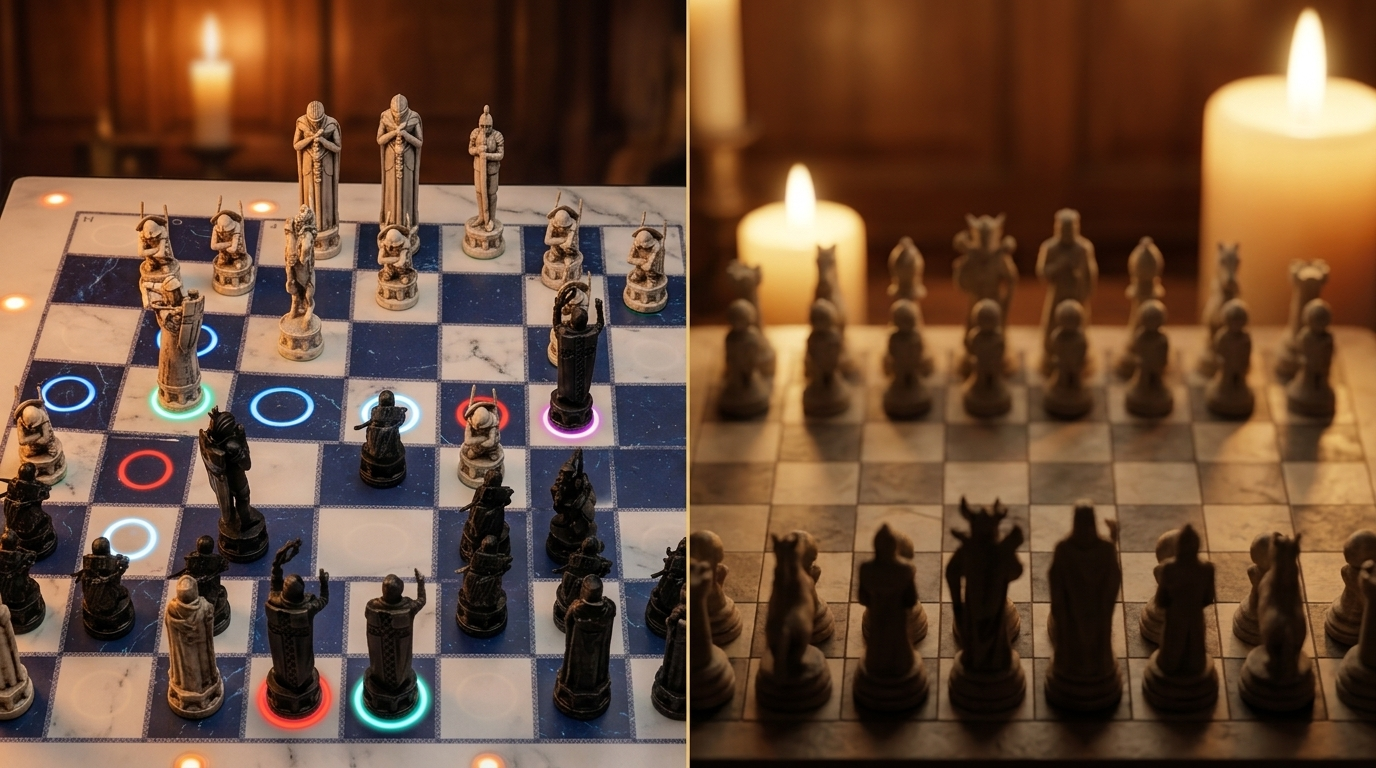
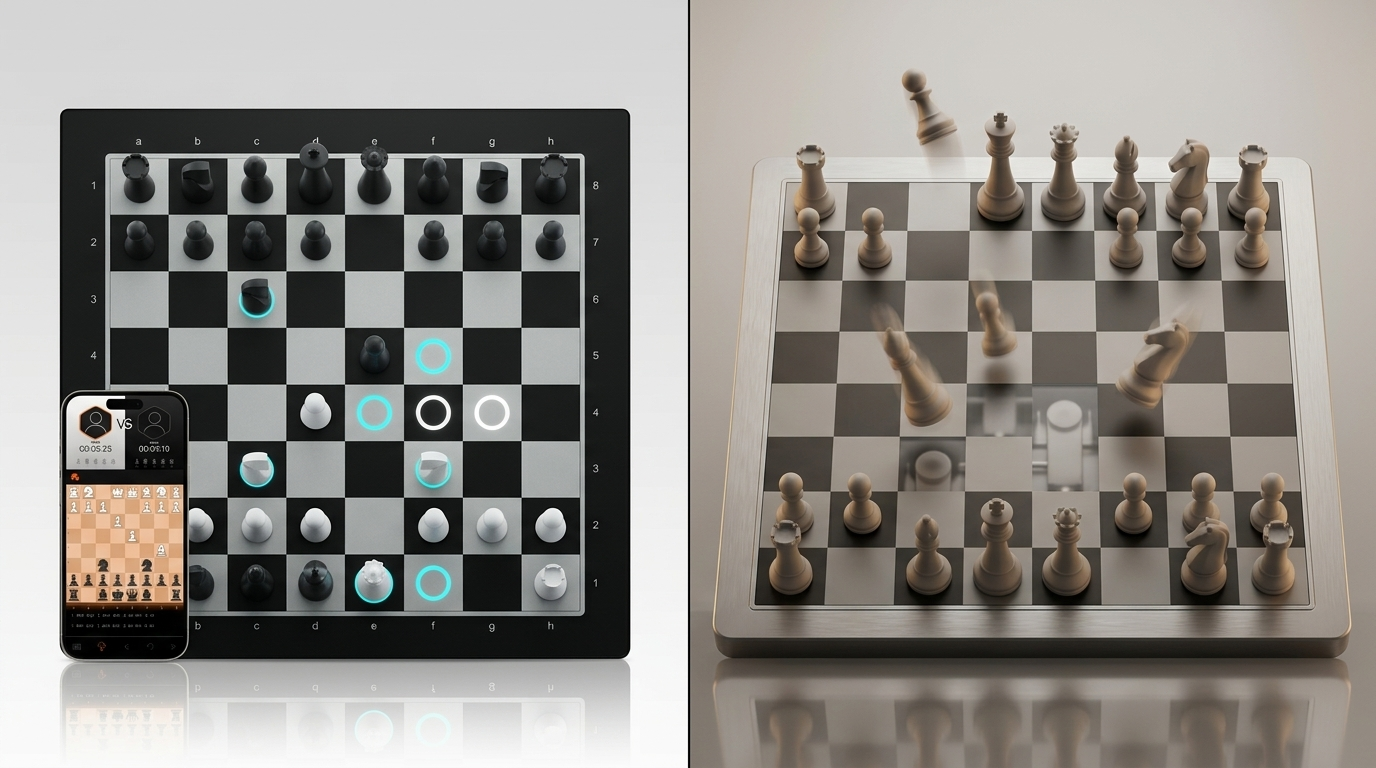
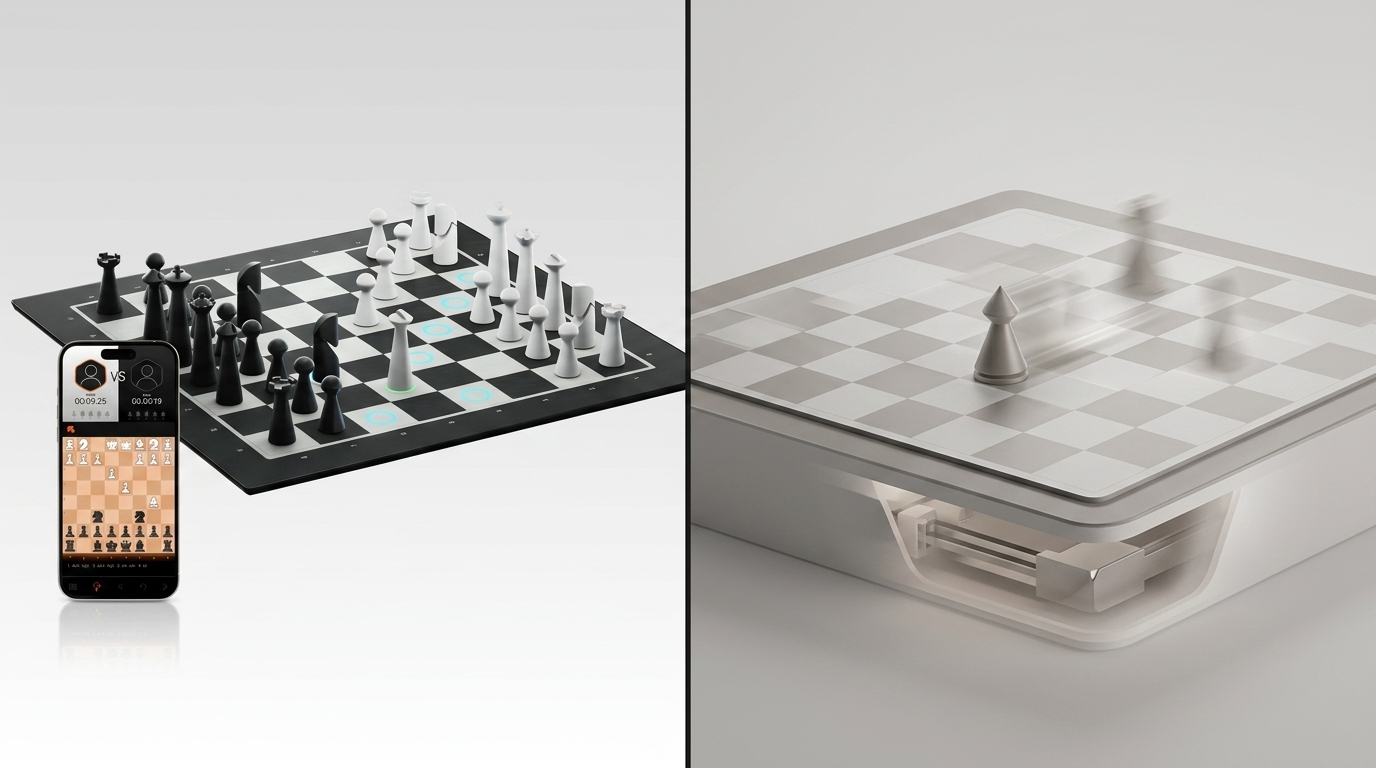
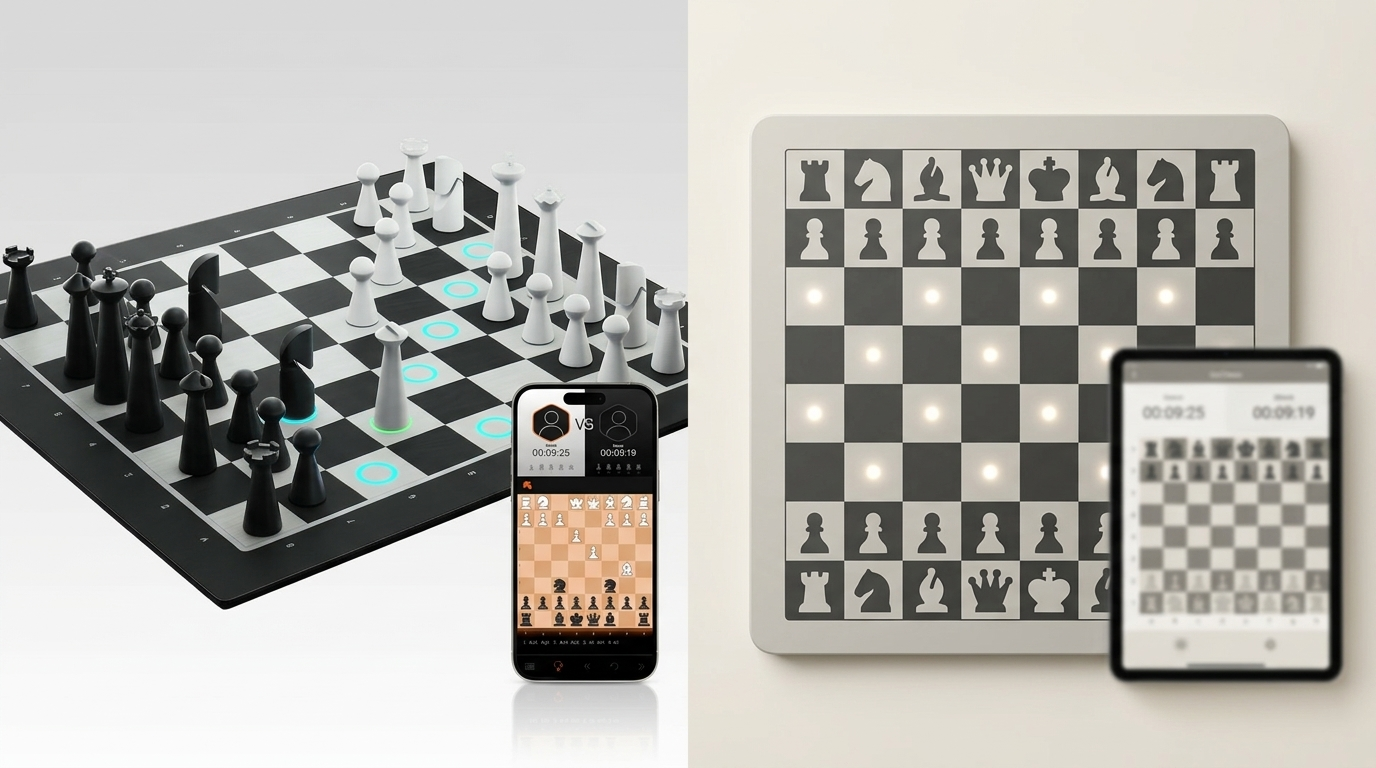
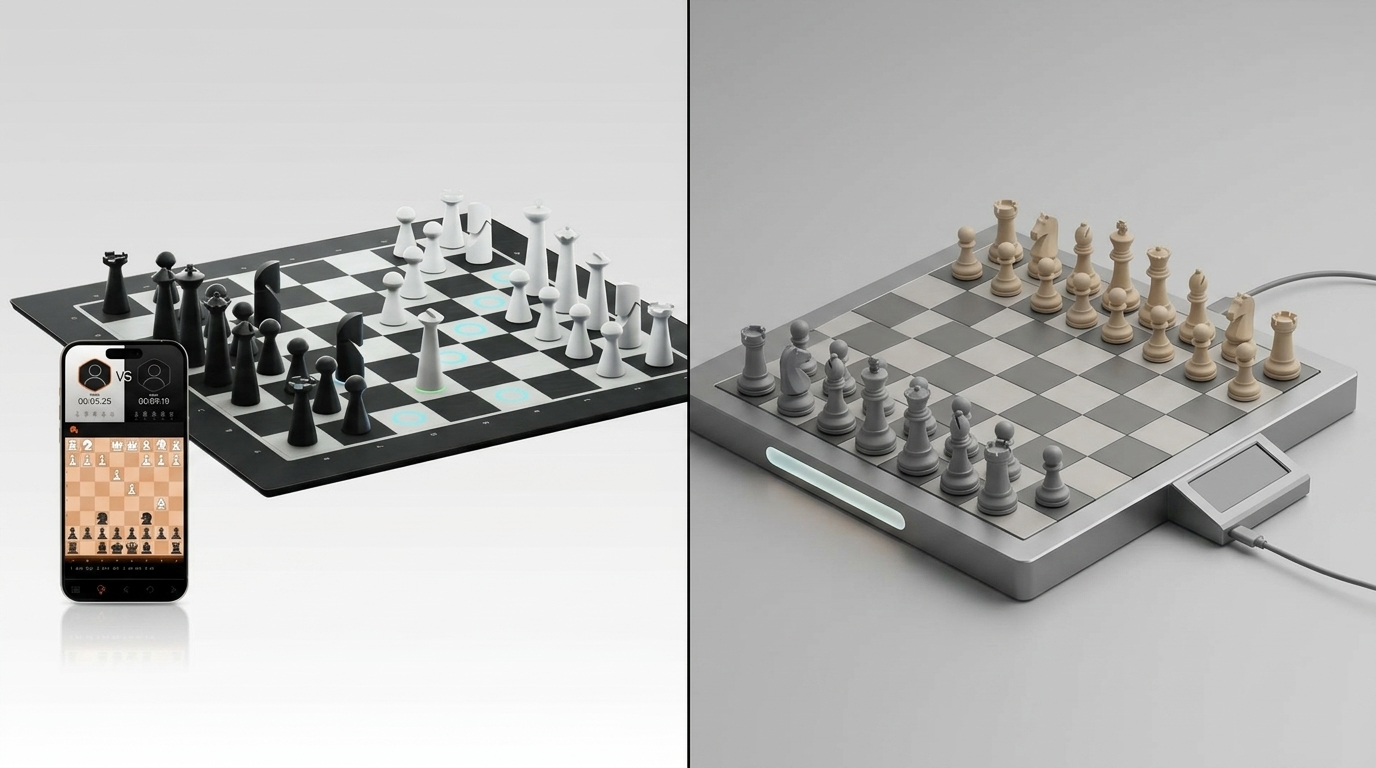
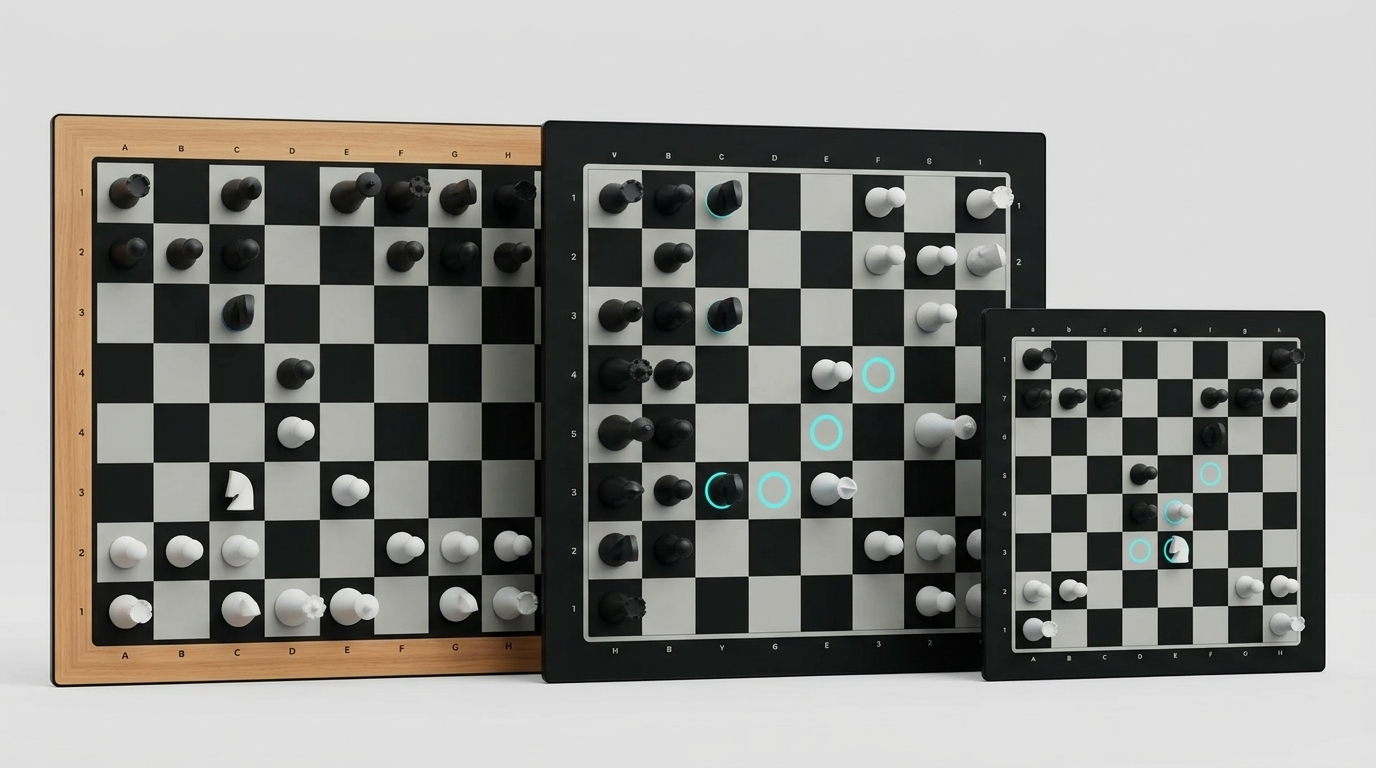
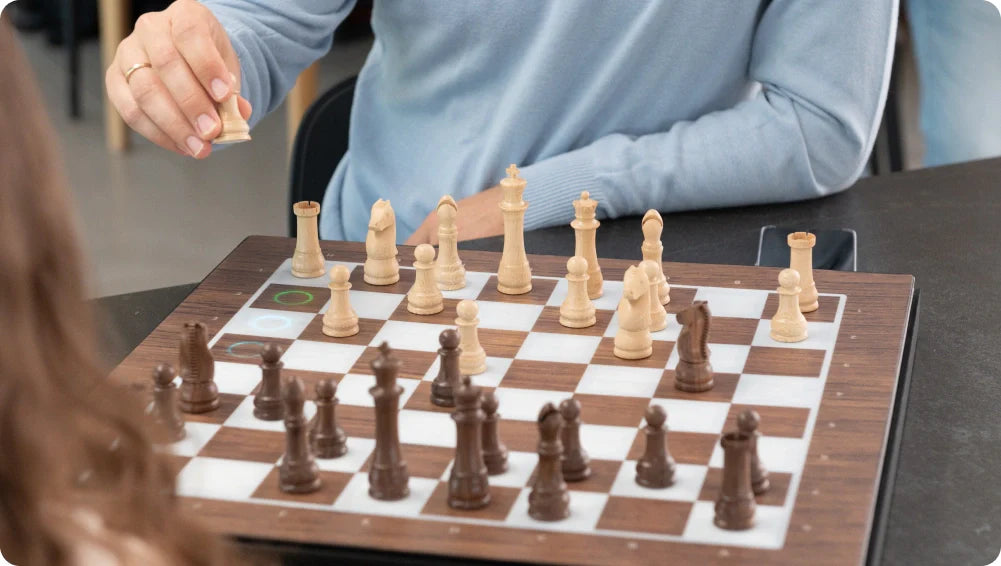
GoChess feels super different. It looks and feels like a classic chessboard, but beneath that familiar design is smart technology, designed to teach you, guide you, and grow with you.

What makes GoChess your personal tutor:
- Real-Time Coaching Lights – Each square can light up to show where to move or to warn you of danger.
- AI Personal Coach – Choose from 32 levels of built-in AI difficulty. The board gives subtle hints, tips, and alerts based on your play, so you always get the right level of challenge.
-
Multiple Ways to Play – Challenge friends face-to-face, play solo against AI or connect to Chess.com and Lichess to play online against over 200 million players worldwide on a real board.
- GoChess App – Connect your board to the GoChess app (iOS or Android) to see your game history, analyze moves, replay sessions, solve daily puzzles, and track your improvement.
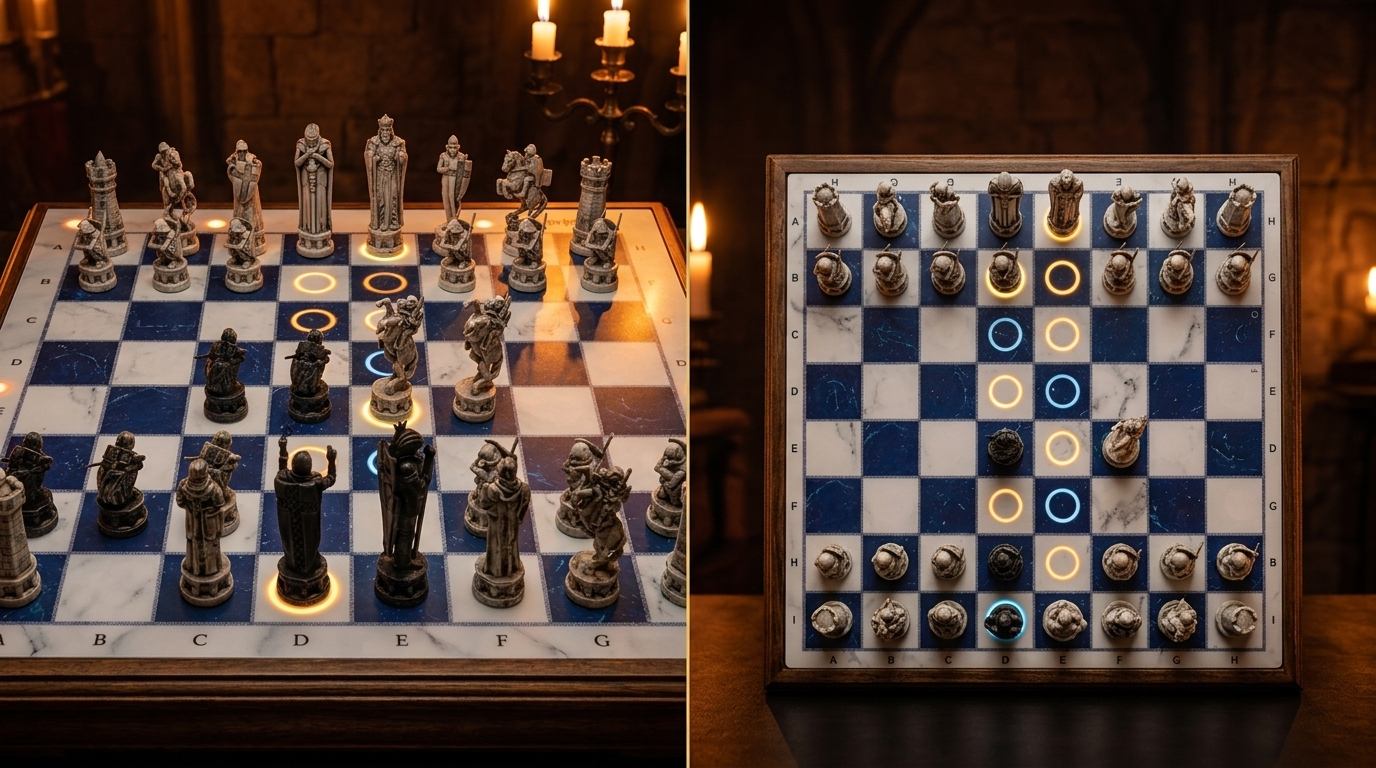
By the way, the newest GoChess Wizard version feels like something that escaped from Hogwarts. This special edition, in collaboration with Warner Bros., is the kind of board you can picture in a house common room, soft glow in the corners, pieces waiting like they’re half awake. The board still has all the features, and the squares still light up like spells, and the whole thing has this low-key wizard’s chess in the Great Hall vibe.

GoChess is especially good for beginners because:
- It reinforces opening habits on the board
- It makes king safety feel natural, not theoretical
- It shines a light on simple tactics you’re missing
- It nudges you toward playing with a plan
Final Thoughts
Chess can feel overwhelming at the beginning, but most progress really comes from a few steady habits like getting your pieces out with purpose, keeping your king safe, and giving yourself time to see the board more clearly. One good move, then another. That’s how it grows.
And if you’re using something like GoChess along the way, you get a friendly nudge each time you need it, which makes the whole journey feel less mysterious and more inviting.
Play a little each day, review for a moment or two, smile at your mistakes, and keep going. Every player started somewhere.
Checkmate isn’t the goal right now. Comfort is. Curiosity is. The rest comes naturally.
Now go play a game, your pieces are waiting.