

Chess is one of the most fascinating and intellectually stimulating games ever created. It challenges players to think critically, plan ahead, and adapt to unexpected moves. Whether you’re an absolute beginner trying to avoid simple blunders or an intermediate player looking to sharpen your skills, learning how to get better at chess is a journey worth taking.
Improving at chess isn’t just about memorizing openings or following rigid strategies. It requires a mix of tactical awareness, strategic thinking, and disciplined training. This guide will break down the key aspects of the game, from early tactics to endgame mastery, and introduce some of the best training methods. By the end, you’ll have a clear roadmap to elevate your game and even discover an innovative way to train with GoChess.
Table of Contents
Early Game Tactics: How to Set Yourself Up for Success
The opening phase of a chess game is like laying the foundation for a house—get it right, and everything else becomes easier. Get it wrong, and you’re playing catch-up for the rest of the game. Strong opening moves, proper piece development, and a solid strategy set the stage for a smooth transition into the middle game. Here’s how to approach the early game like a pro (or at least not like someone who's about to get checkmated in eight moves).
1. Control the Center—Because Power Comes from the Middle
If chess had a “real estate market,” the four central squares (d4, d5, e4, e5) would be the high-rent district. Controlling these squares means your pieces have more mobility, better positioning, and influence over key parts of the board. If you let your opponent take over the center without a fight, you’re in for a tough game.
Here are some classic openings that help you claim the center and set up a strong position:
- Italian Game (1.e4 e5 2.Nf3 Nc6 3.Bc4) – This is a fantastic opening for beginners. It teaches fundamental principles like controlling the center, rapid piece development, and getting your king to safety. Plus, it sets up sneaky tactical opportunities.
- Sicilian Defense (1.e4 c5) – If you’re playing as Black and want to shake things up, the Sicilian is a powerhouse. It creates immediate imbalances, allowing you to dictate the pace of the game. Many aggressive players (including world champions) swear by it.
- Queen’s Gambit (1.d4 d5 2.c4) – If you like playing a more strategic, positional game, this one’s for you. It offers White long-term control of the center and potential endgame dominance if played correctly.
No matter which opening you choose, the key takeaway is simple: fight for the center like your chess rating depends on it (because it does).
2. Develop Your Pieces Like You Mean It
Your pawns might control space, but it’s your knights and bishops that actually do the work. The sooner you bring them into the game, the better your position will be. The general rule? Develop quickly and efficiently—no unnecessary moves.
Here’s what to focus on:
- Knights before bishops. The classic principle is “Knights before bishops” because knights have fewer options early in the game. Place them on f3/c3 (for White) or f6/c6 (for Black), where they influence the center.
- Don’t move the same piece twice. If you’re bouncing one knight around while your other pieces sit at home, you're wasting time. Every move should improve your position.
- Avoid weird pawn moves. Pushing too many pawns early can create weaknesses and delay piece development. The best openings use a few strategic pawn moves to free up pieces—not just random pawn pushes.
When your opponent is still shuffling pieces around and you’ve already castled with a solid setup, you’ll feel the difference.
3. Prioritize King Safety—Because No One Wants an Early Checkmate
Let’s be real—if your king is in danger from move five, you’re in trouble. Castling early (kingside or queenside) does two things:
- Gets your king out of the center, where all the chaos happens.
- Connects your rooks, setting them up for action later.
The key is to castle at the right time—not too early (if the position is still open) but definitely before move 12 in most cases. If you keep delaying it, your opponent will sense weakness and start throwing checks at you like it’s their job.
4. Avoid Early Queen Moves (Unless You Like Being Chased Around)
A lot of beginners love to bring their queen out super early, thinking they can steamroll their opponent. The problem? A well-prepared player will chase your queen all over the board, making you waste precious moves while they develop their pieces for free.
Instead, let the minor pieces (knights and bishops) come out first. The queen is your most powerful piece, but that doesn’t mean she should be the first one into battle. She shines in the middle and endgame—not running around dodging attacks in move six.
Mastering the Middlegame: Where Games Are Won and Lost
The opening is about setup, but the middle game? That’s where the real magic happens. This is where tactics, strategy, and pure board awareness decide who’s in control and who’s just surviving. If you’ve developed your pieces well in the opening, now’s the time to make them work for you.
Here’s how to navigate the chaos of the middlegame and emerge on top.
1. Tactical Awareness – The Power Moves That Win Games
The middlegame is full of sharp, tactical opportunities—if you know where to look. While beginners focus on capturing pieces, strong players look for tactical sequences that force their opponents into losing positions.
Some of the most common and deadly tactical patterns include:
- Forks – A single piece (often a knight or queen) attacks two or more enemy pieces at the same time. If your opponent can’t save both, congratulations—you just gained material.
- Pins – When an opponent’s piece is stuck in place because moving it would expose something more valuable behind it. Think of it as a piece getting “glued” to the board.
- Skewers – Like a pin but reversed: the more valuable piece is attacked first, forcing it to move and exposing a weaker piece behind it. Bishops and rooks love skewering pieces.
- Discovered Attacks – Moving one piece reveals an attack from another. If that revealed attack is a check, it’s even stronger since your opponent has to respond immediately.
- Zwischenzug (Intermediate Move) – A sneaky move thrown in before the expected reply, catching your opponent off guard and often improving your position.
If you’re not looking for these patterns, you’re probably missing out on free material and winning chances.
2. Positional Play – Winning Without Tactics
While tactics can win battles, strong positional play wins wars. Good players don’t just look for flashy combinations—they build long-term advantages that squeeze their opponents into submission.
Here are some key concepts:
- Pawn Structure – Weak pawns (like doubled, isolated, or backward pawns) can be major liabilities. Solid pawn structure = fewer weaknesses = better control of the board.
- Open Files & Rook Activity – Rooks belong on open files, where they can influence the game. If you see an open file and your rook isn’t there, fix that ASAP.
- Outposts – A knight planted on a strong square (usually in enemy territory and protected by a pawn) is a nightmare for your opponent. If you can establish one, do it.
- Piece Coordination – Pieces should work together, not get in each other’s way. If one of your pieces isn’t contributing, reposition it to a more active square.
You don’t have to out-calculate your opponent if they’re just stuck in a miserable position.
3. Piece Activity – Don’t Let Your Pieces Be Spectators
A well-placed piece can be stronger than a piece of higher value stuck in a bad position. Good middlegame players activate their pieces, making sure each one has a job.
- Knights – Love central squares, where they control up to eight squares instead of just two or three when stuck on the edge.
- Bishops – Strong on long diagonals. If your bishop is staring at a wall of pawns, you might need to reroute it.
- Rooks – Should be doubled on open files or placed behind passed pawns. A rook just chilling on its starting square? Wasted potential.
- Queens – The most powerful piece, but not invincible. Queens should be active but not overexposed—they can become easy targets if placed carelessly.
Ask yourself: Are all my pieces doing something useful? If not, find a way to activate them.
Closing the Game Like a Pro: Convert Your Advantage Into Victory
The endgame is where champions are made. It’s no longer about fancy tactics or rapid piece development—it’s about precision, patience, and knowing exactly how to squeeze every last drop of value from your position. A single extra pawn or better king activity can be the difference between winning and watching your opponent escape with a draw. If you’ve played a solid opening and fought through the middlegame, now it’s time to seal the deal.
1. Activate the King – Your Secret Endgame Weapon
For most of the game, the king is like a delicate vase—you keep it tucked away, protected, and out of harm’s way. But in the endgame? That vase turns into a battle-hardened warrior.
Key reasons to activate your king:
- The board is more open, and the risk of checkmate is lower.
- The king becomes an attacking piece, controlling key squares and assisting in pawn promotion.
- A well-placed king can cut off enemy pieces and restrict their movement.
Where should your king go?
- The center. A centralized king is a powerful king. It influences more squares and can shift to either side of the board as needed.
- Towards passed pawns. If you have a passed pawn (a pawn with no opposing pawns blocking its way), your king should support its advance.
- Near enemy pawns. A strong king can also harass and pick off weak enemy pawns, making your opponent’s life miserable.
If you leave your king passive while your opponent marches theirs into the action, you’re practically handing them the win.
2. Understanding Pawn Structures – The Road to Promotion
Pawns might seem slow and insignificant in the early game, but in the endgame? They become the stars of the show. A single pawn queening can turn the tide completely.
Here’s what you need to know about pawns in the endgame:
- Passed Pawns = Winning Chances – If you have a pawn that has a clear path to promotion, that should be your focus. Push it, support it, and force your opponent to deal with it.
- Connected Pawns Are Stronger – Two pawns marching side by side are harder to stop than a single isolated pawn.
- Pawn Majorities Matter – If you have more pawns on one side of the board, that’s usually where you should create a breakthrough.
- Opposition in King & Pawn Endgames – When kings are facing off in a pawn race, knowing how to control opposition (the ability to force your opponent into zugzwang) is key to winning.
A well-timed pawn push can decide the game. A mistimed one can throw away the win. Choose wisely.
3. Basic Checkmating Patterns – Don’t Let a Won Game Slip Away
Imagine fighting a 50-move war only to reach the endgame with a winning position… and then not knowing how to finish it. That’s a nightmare you don’t want to experience.
Mastering these fundamental checkmating techniques will ensure you never let a won game slip away:
- King and Queen vs. King
- How to do it: Use the queen to cut off the opponent’s king, forcing them to the edge of the board. Then bring in your king for support and deliver the final blow.
- Common mistake: Stalemating your opponent by accident. Always leave them one legal move until you're ready to checkmate.
- King and Rook vs. King
- How to do it: Control ranks or files, forcing the king to the edge. Then use the "box method" to reduce their space, and deliver checkmate with your king’s support.
- Why it’s important: Even grandmasters occasionally struggle with this if they don’t practice it.
- Two Bishops vs. King
- How to do it: Use both bishops in a coordinated way to herd the enemy king toward a corner. Once confined, the checkmate is delivered with precision.
- Why it’s tricky: If you don’t know the pattern, you’ll shuffle your bishops around endlessly without making progress.
If you can quickly and confidently execute these checkmates, you’ll never have to worry about throwing a won position ever again.
Effective Training Methods to Improve Your Chess Skills
Becoming great at chess isn’t just about playing a lot—it’s about training with purpose. The best players don’t just move pieces around randomly; they focus on specific skills, work on weaknesses, and continuously refine their understanding of the game.
If you’re serious about improving, here are some of the most effective training methods to level up your chess skills:
Solve Chess Puzzles Daily – Train Your Tactical Radar
Tactical puzzles are like mental workouts for chess players. They help sharpen pattern recognition, calculation, and tactical awareness—all key skills that separate casual players from serious competitors.
- Why it works: The more patterns you recognize, the faster you’ll spot winning tactics in real games.
- What to focus on: Forks, pins, skewers, discovered attacks, and mating nets.
- Where to train: Chess.com, Lichess, and GoChess smart boards all offer daily puzzles tailored to your level.
Spending even 10-15 minutes a day solving puzzles can massively improve your ability to find killer moves over the board.
Play Against Stronger Opponents – Get Out of Your Comfort Zone
Playing people at your level is fun, but playing stronger opponents is how you actually improve. When you face tougher competition, you’re forced to think deeper, defend better, and learn from real mistakes.
- What to expect: You’ll lose—a lot. But each loss will teach you something valuable.
- How to approach it: After each game, ask yourself: Where did I go wrong? What did my opponent do better?
- Best places to play: Chess.com and Lichess let you find players slightly above your rating, which is the sweet spot for learning.
If every game feels “easy,” you’re probably not challenging yourself enough.
Analyze Your Games – Learn From Your Mistakes
Every game you play is an opportunity to improve—but only if you take the time to analyze it. Looking back at your moves can reveal recurring mistakes, positional misunderstandings, and tactical blunders you didn’t even realize you made.
- How to analyze:
- Review games without an engine first—try to understand what went wrong on your own.
- Use chess engines (like Stockfish or Chess.com’s analysis tool) to see missed tactics and blunders.
- If possible, review games with a coach or a stronger player for deeper insights.
A single well-analyzed game is often more valuable than ten unreviewed ones.
Study Grandmaster Games – Learn From the Best
Top-level players don’t just move pieces—they follow deep strategic plans that can take years to understand fully. Studying GM games helps develop positional understanding, decision-making, and opening knowledge.
- How to study GM games effectively:
- Try guessing the next move before seeing it—this helps improve positional understanding.
- Focus on games with clear strategic themes (pawn structures, endgames, attacking ideas).
- Use annotated games with explanations, so you understand why certain moves were made.
If you want to take it a step further, try following modern tournaments and listening to commentary—it’s an easy way to absorb elite-level thinking.
Looking for the Best Way to Improve at Chess? Try GoChess!

Let’s be honest—getting better at chess can feel overwhelming. Studying openings, grinding puzzles, analyzing losses... it’s a lot. But what if there was a smarter, more interactive way to train that actually made the process fun? That’s where GoChess comes in.
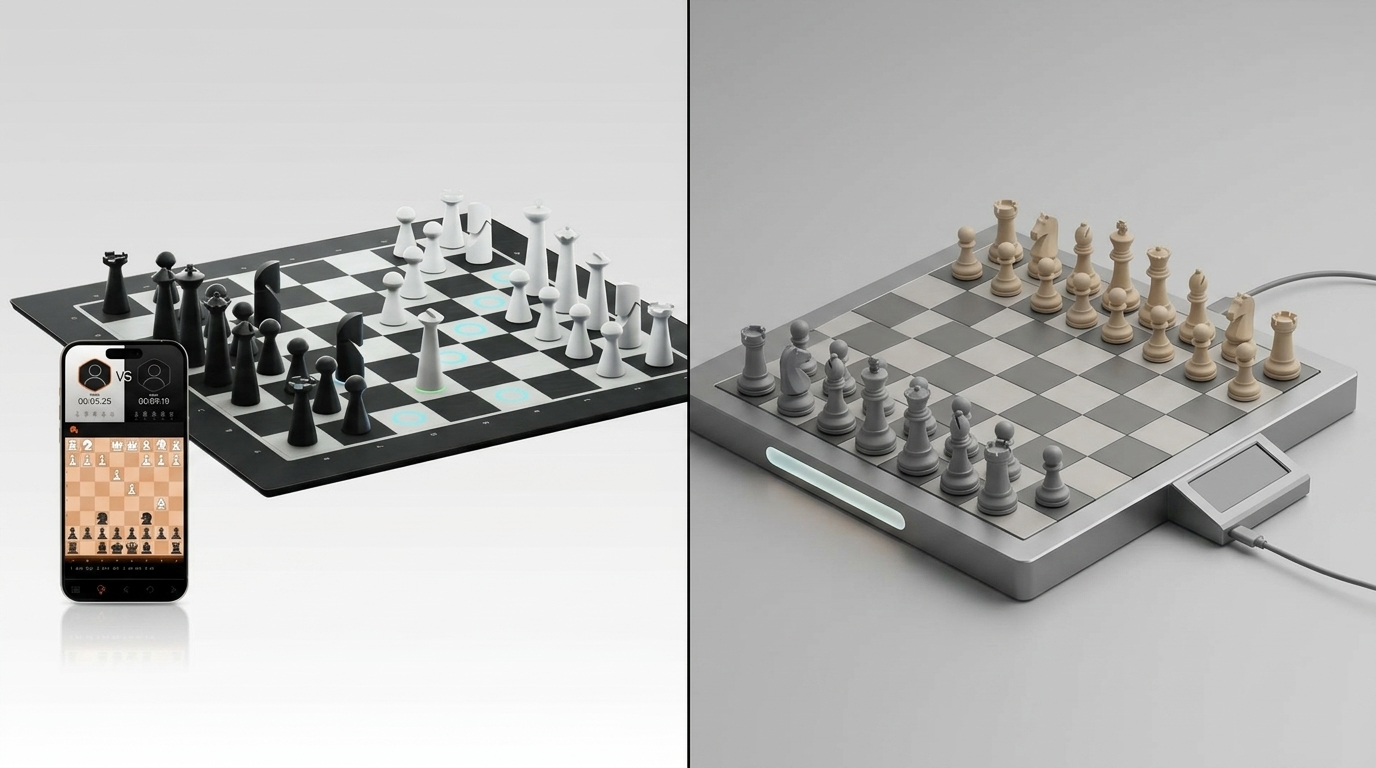
This isn’t just another chess board. GoChess is the world’s most advanced smart chessboard, designed to level up your game effortlessly while keeping the experience immersive and hands-on. Whether you’re a casual player looking to sharpen your skills or a competitive grinder hunting for your next rating jump, GoChess blends high-tech innovation with real-world chess play like nothing else.
Why GoChess? Because It’s Chess Training Like Never Before

GoChess takes everything you love about chess—the strategy, the challenge, the thrill of improvement—and supercharges it with cutting-edge technology. Here’s why it stands out:
Real-Time Coaching – Get Your Guidance
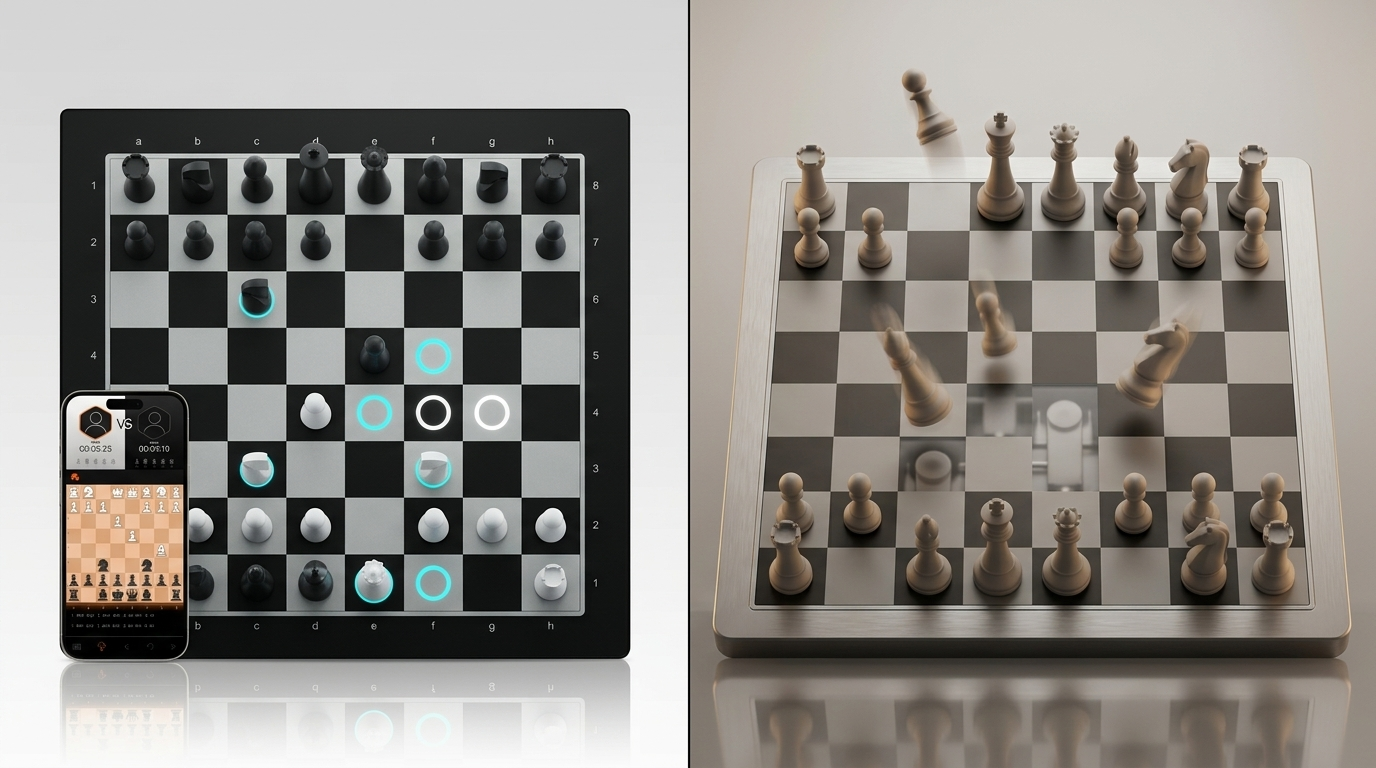
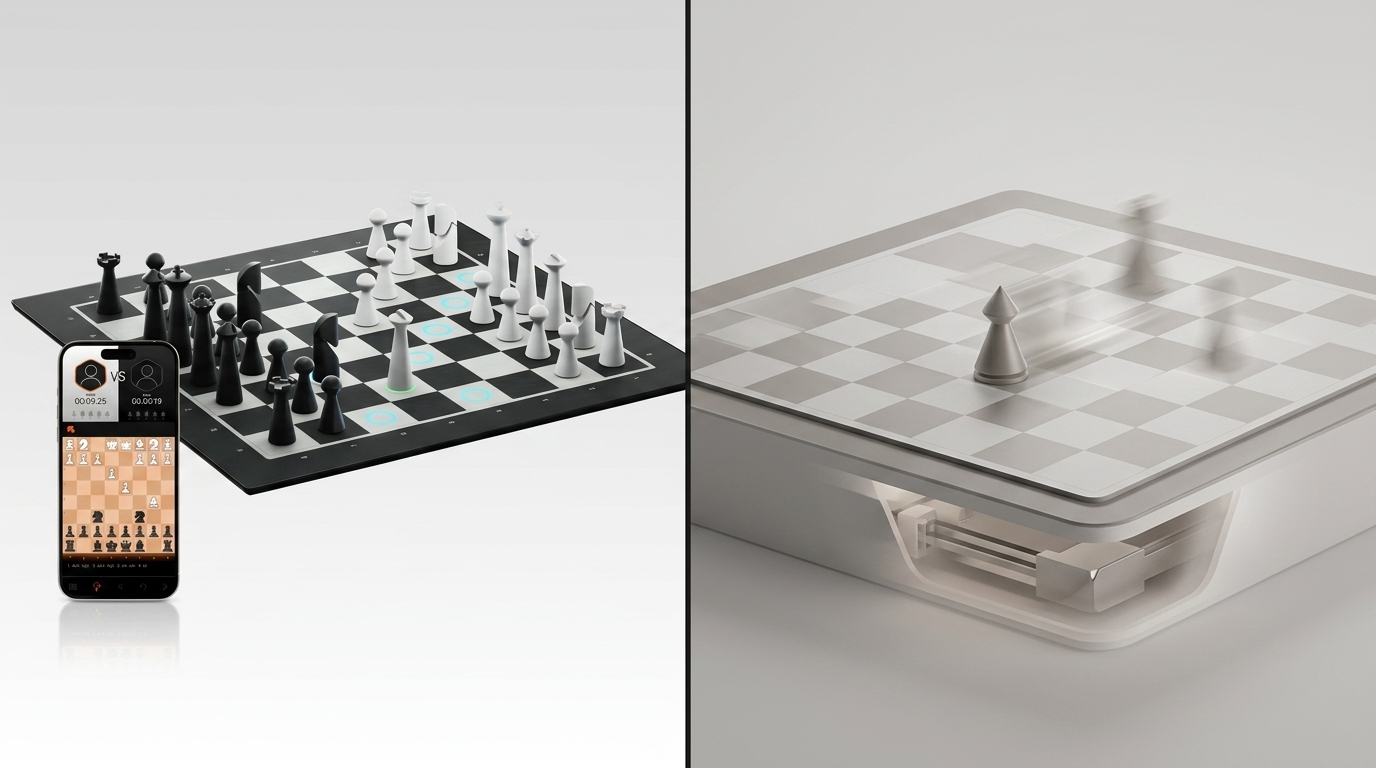
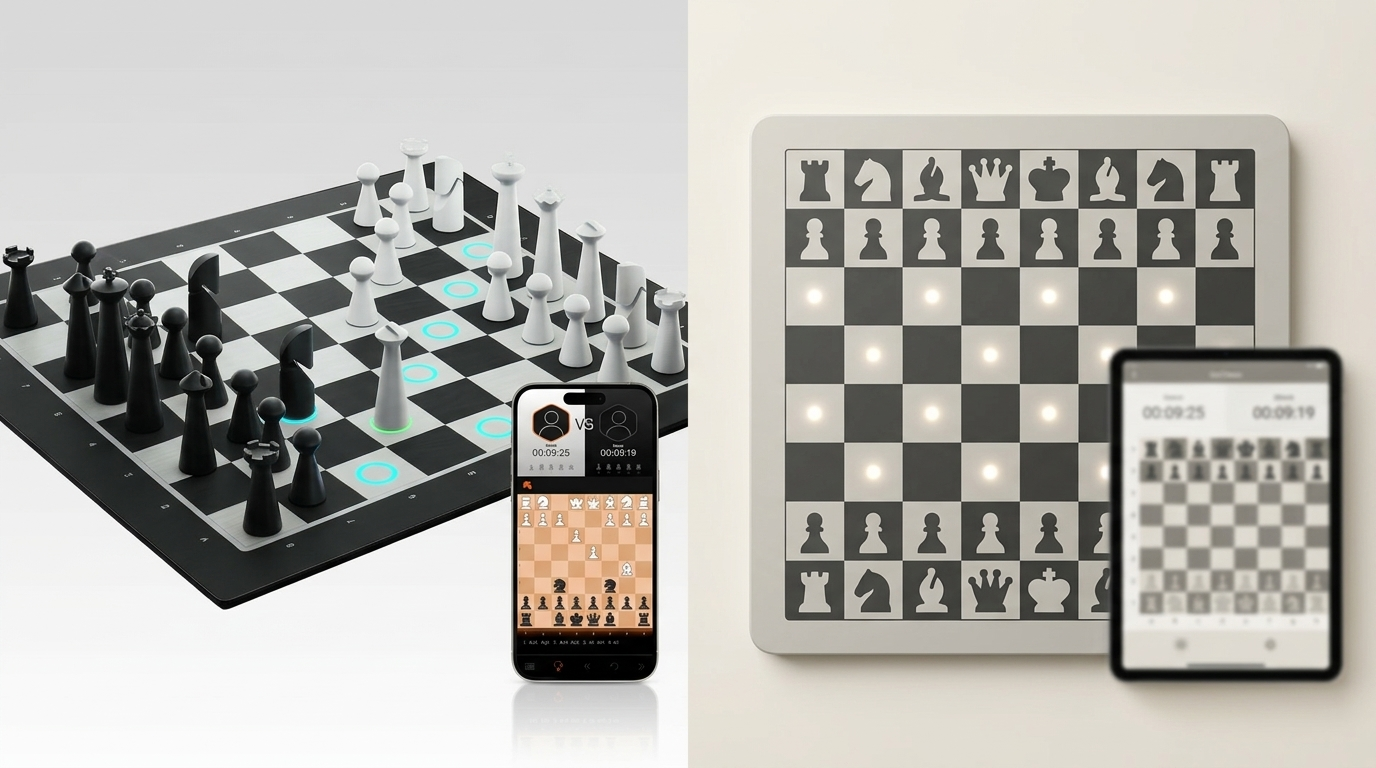
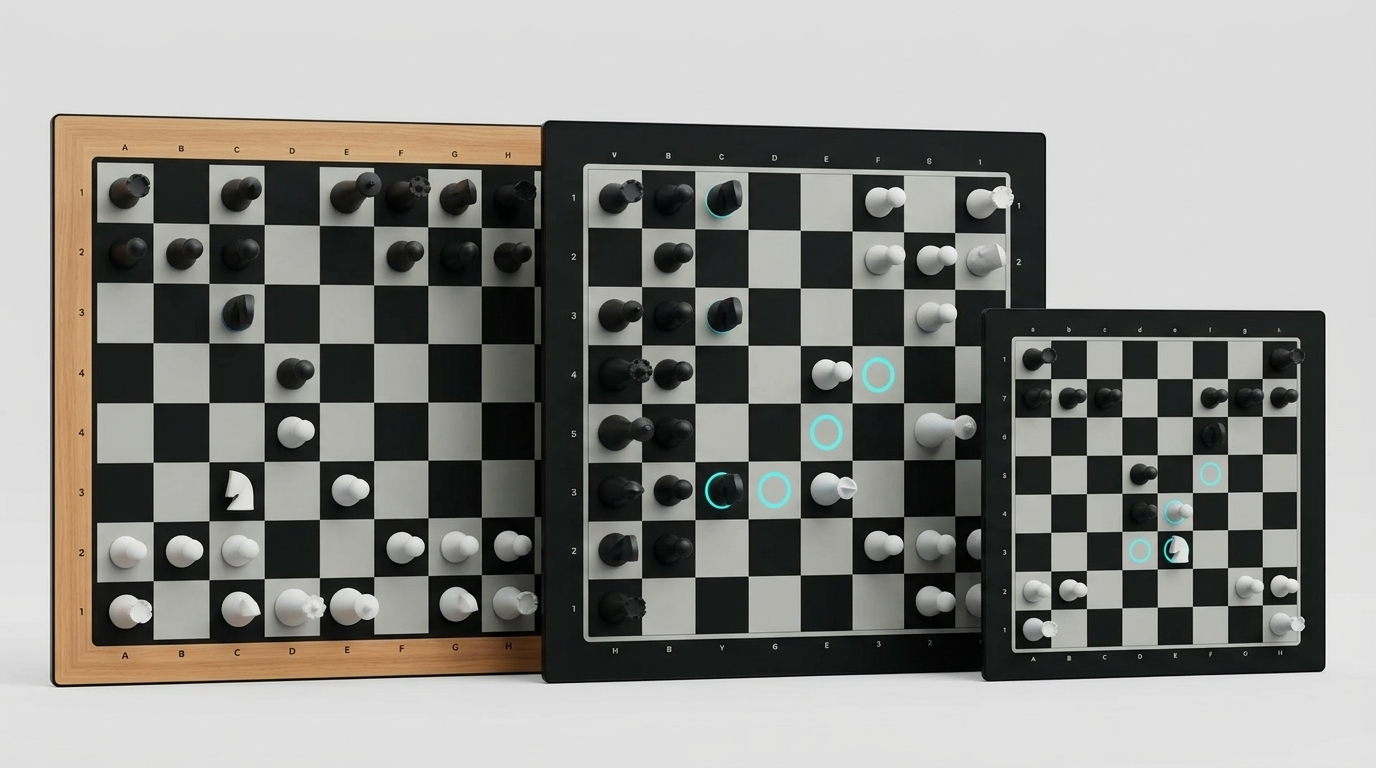
Struggling to find the best move? GoChess has your back with its intelligent hint system. Its built-in coach uses an innovative lighting system to analyze your position in real time, illuminating the board to guide your decisions. Blue lights indicate the best possible move, yellow suggests a decent alternative, and red warns you of a blunder. This way, you don’t just see what to play—you understand why.
And don’t worry, this feature is completely optional. You can turn it on or off at any time, or even customize which hints you want to see. No more aimless blundering—every game becomes a learning experience tailored to your preference.
Online Play, But on a Real Board
If you love playing online but miss the feel of a real chessboard, GoChess fixes that. It connects directly to Chess.com and Lichess, letting you play against millions of opponents worldwide. You get the best of both worlds—the precision of online chess with the classic feel of over-the-board play.
Perfect for Beginners AND Serious Players
New to chess? GoChess teaches you the right way to play from the start. No more guessing or memorizing—just solid, guided improvement.
Intermediate player? Play stronger opponents, analyze your mistakes, and refine your strategy. Challenge the AI with up to 32 difficulty levels, adjusting the game to match your skill and push you to improve.
Advanced competitor? Train like a pro with detailed game reviews, in-depth analysis, and real-world practice that goes beyond digital screens. Prefer the classic feel of in-person competition? GoChess also supports face-to-face play, letting you challenge friends and family on the same board.
No matter where you are on your chess journey, GoChess adapts to you, making improvement feel effortless.
Conclusion
Improving at chess isn’t about a single trick or shortcut. It’s a combination of understanding early game principles, mastering the middlegame, and closing the game effectively. Adding consistent training, puzzle-solving, and analysis will accelerate your progress. And if you want to supercharge your learning, integrating a smart training tool like GoChess can provide a competitive edge.
No matter your skill level, the journey to becoming a stronger player is exciting. Keep practicing, keep learning, and enjoy the beauty of chess!